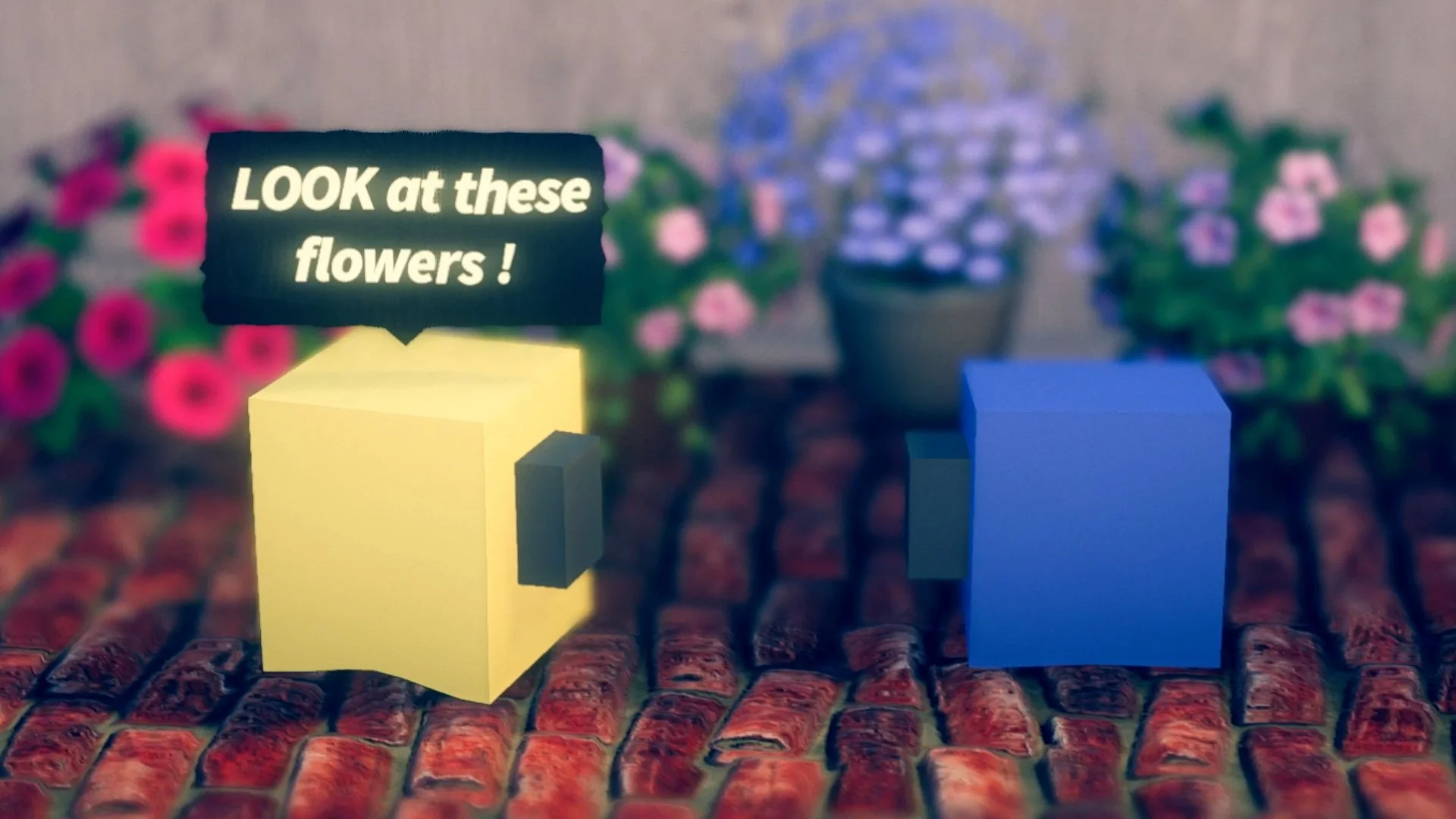
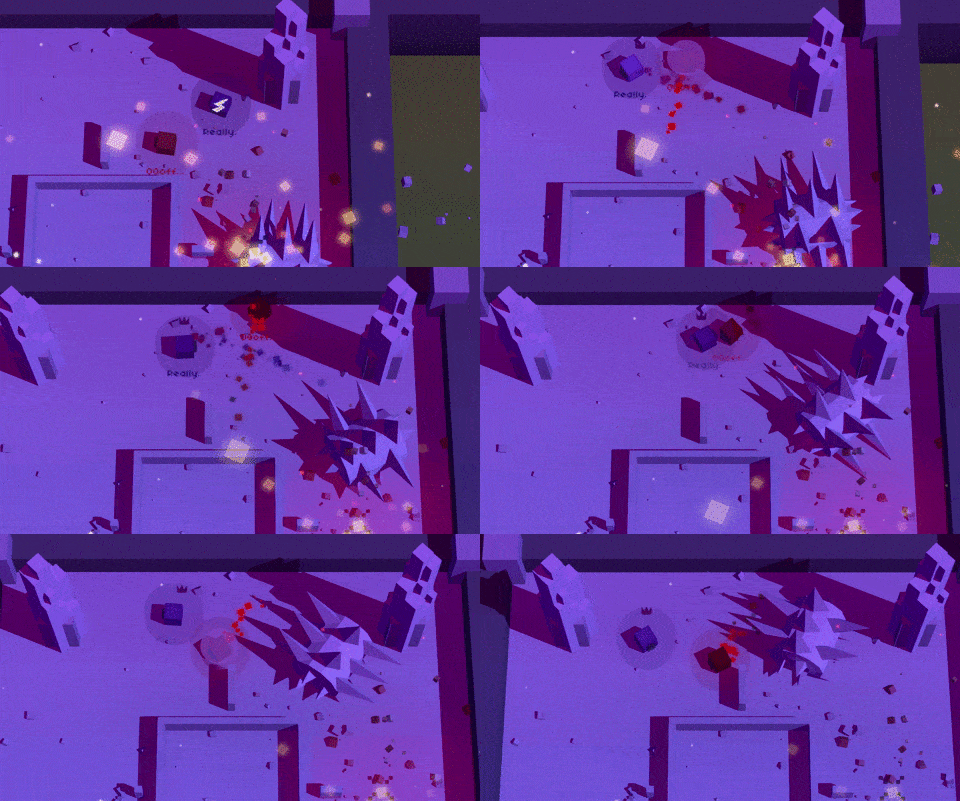
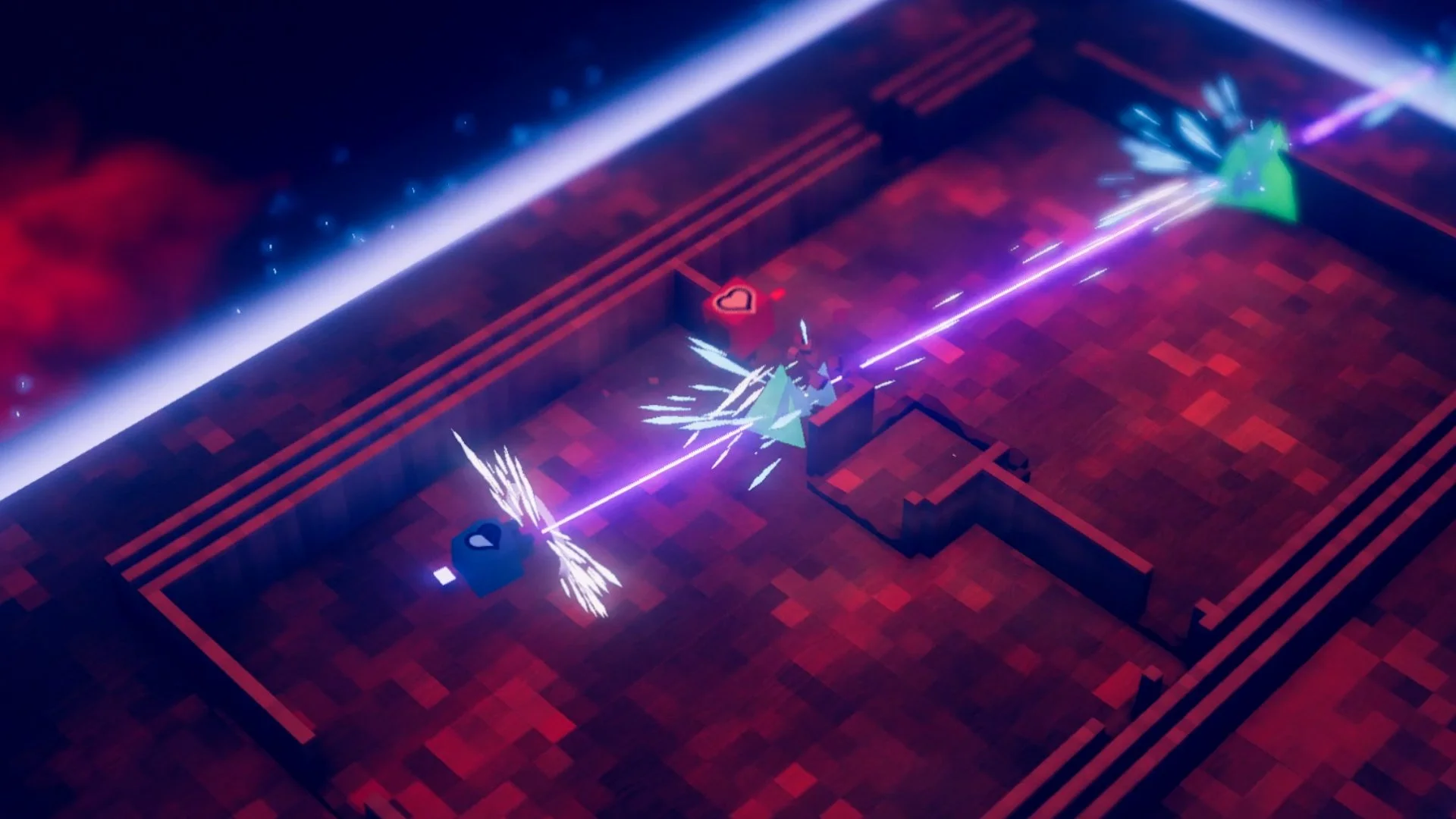
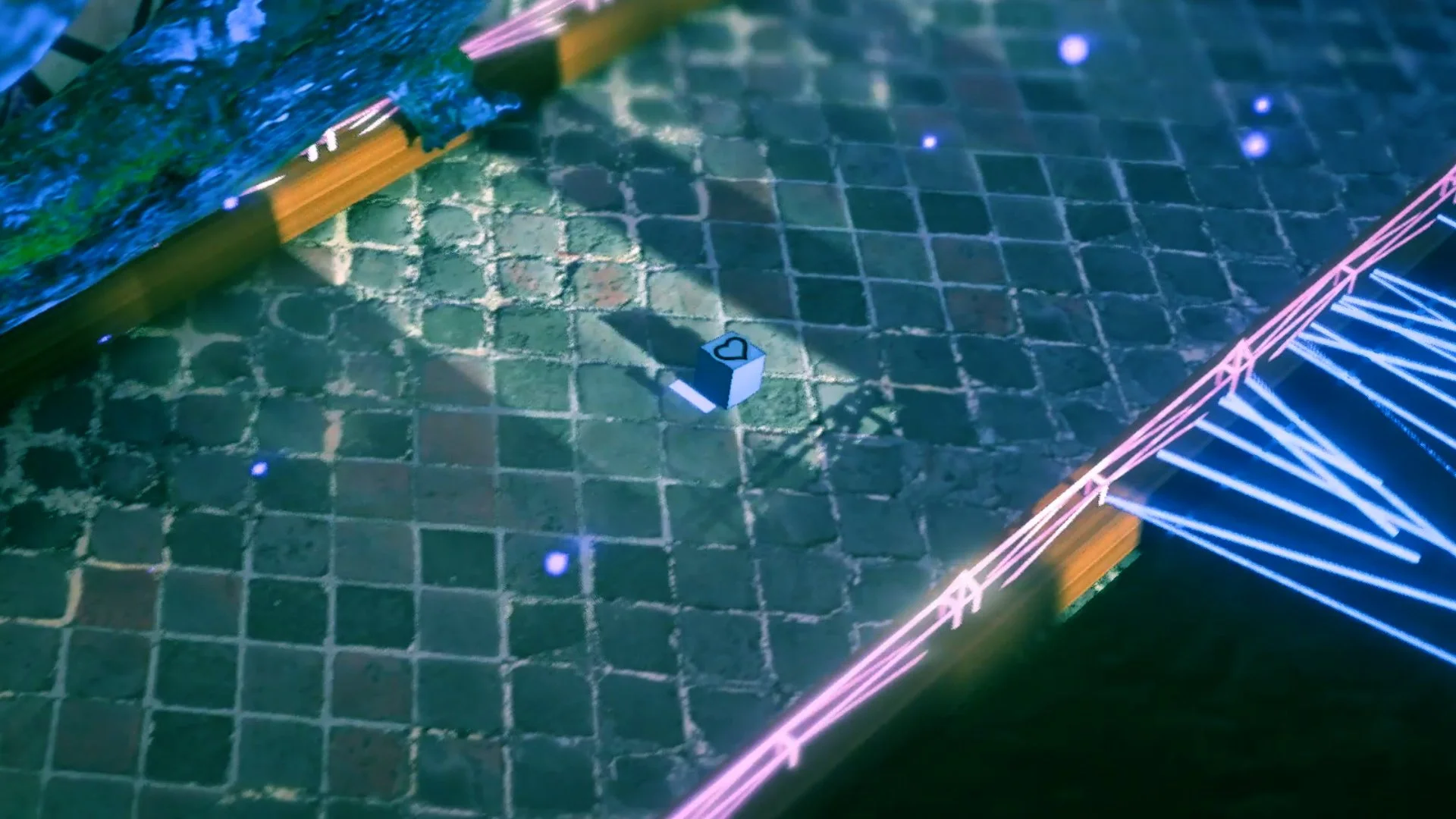
Deck Knight
Collaborative Learning Prototype — Unreal Engine • Game Design Mentorship • Non-Commercial Project
Summary
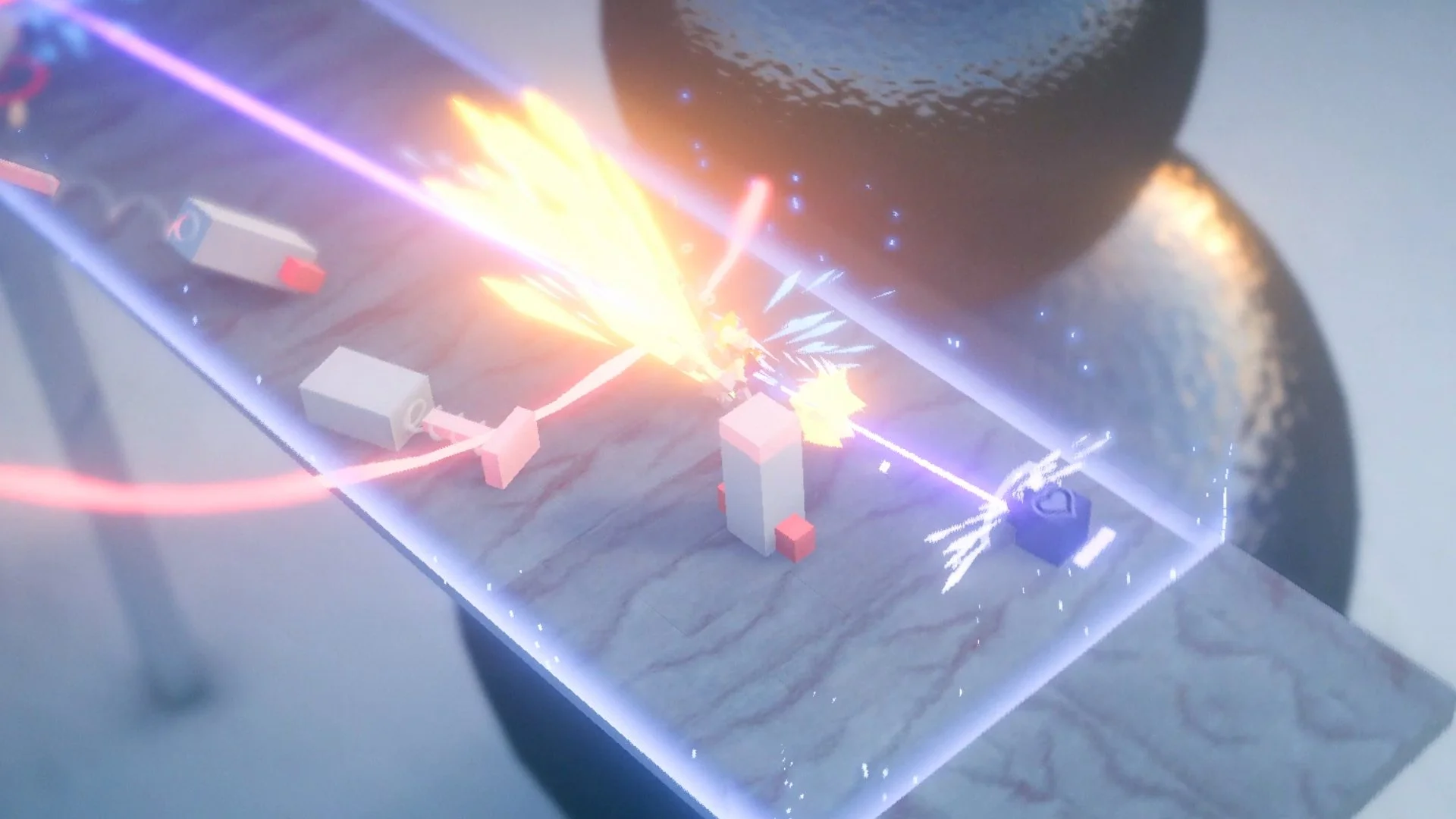
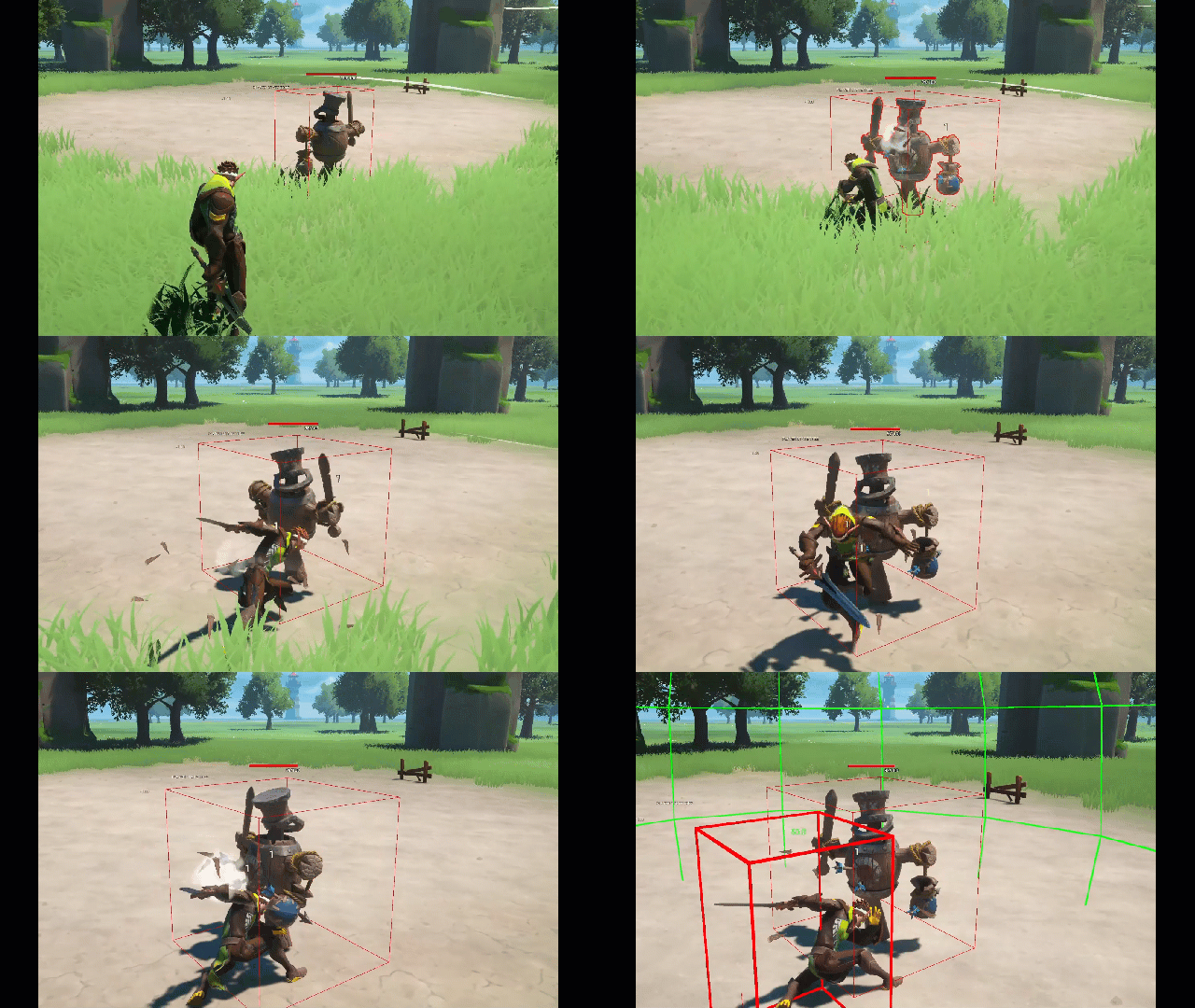
Deck Knight is a collaborative learning project created as a safe, non-commercial sandbox for skill sharing between two industry peers. The goal of the project is not to publish a game, but to create a space where we can teach each other our respective disciplines. I am mentoring my friend in game design, while he is teaching me Unreal Engine development.
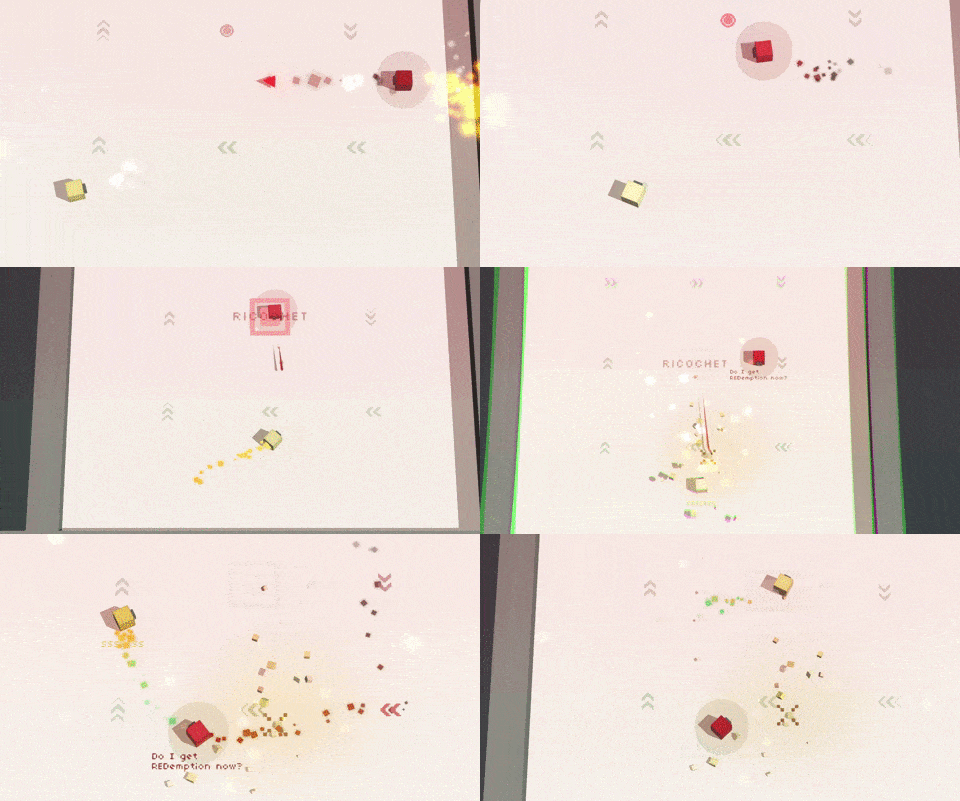
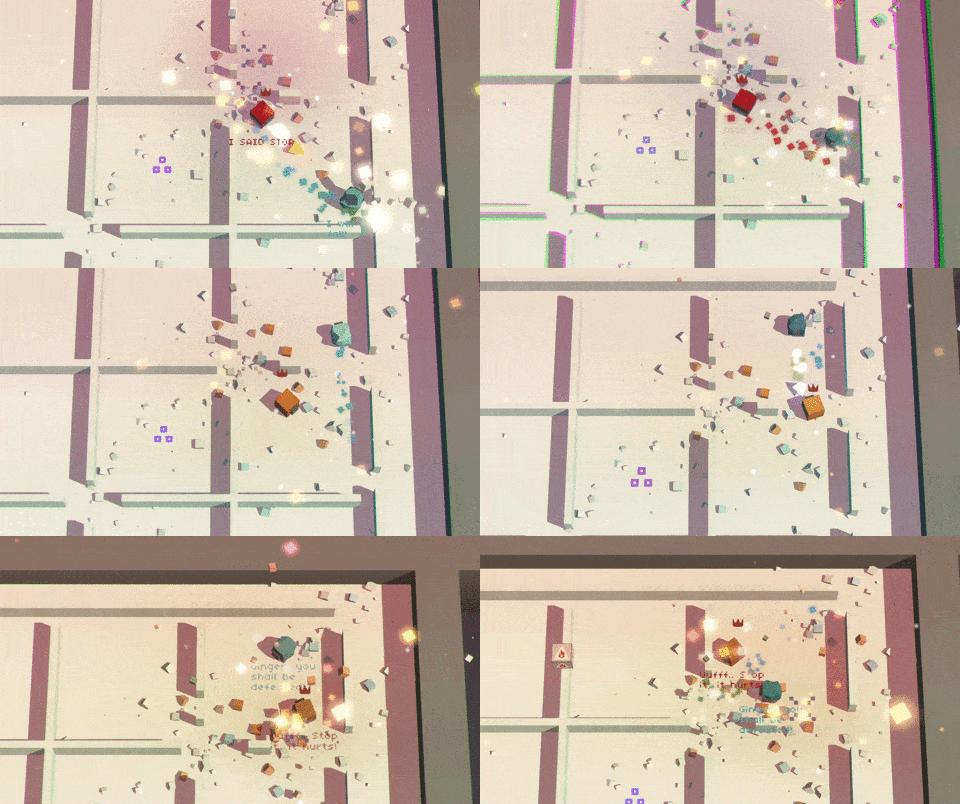
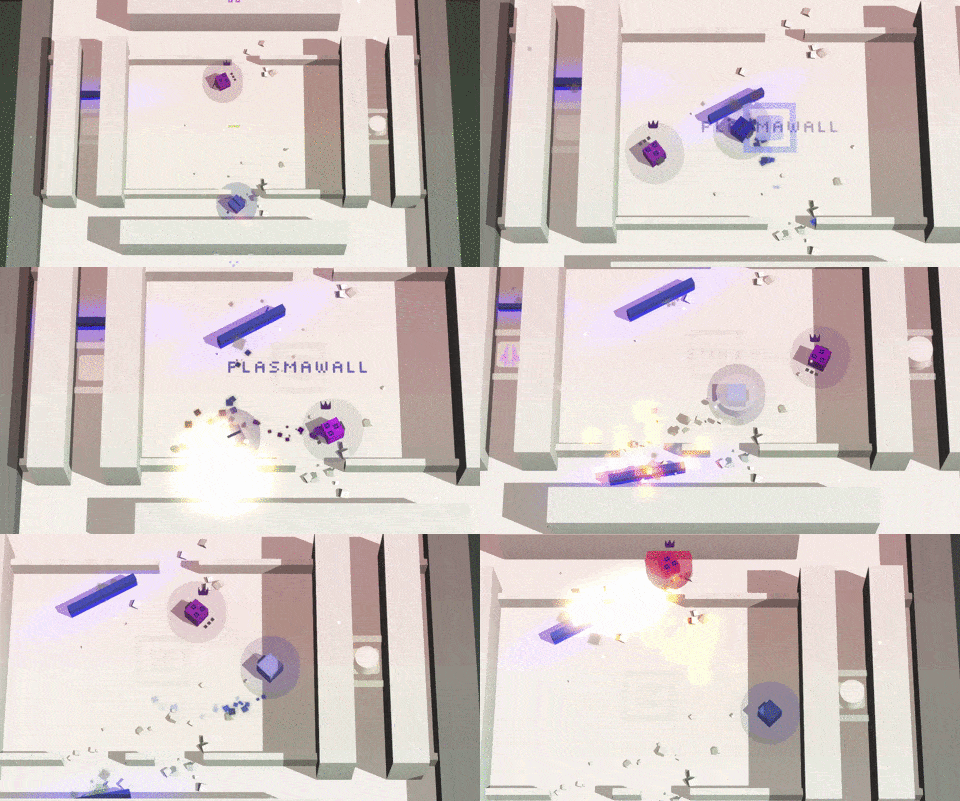
The prototype began as a way for us to explore ideas together — action combat, card-driven abilities, buffs and debuffs, and encounter pacing — without production pressure or commercial intent. Deck Knight exists solely for education, experimentation, and peer learning.
Project Overview
My role
Teach foundational game design skills
Structure the core gameplay loop
Define systems such as abilities, mana/energy economy, buffs, debuffs, and enemy behaviors
Break down design concepts into teachable components
Document mechanics in clear, production-quality formats
Collaborate closely with implementation to ensure an intuitive link between design intention and Unreal Engine execution
My collaborator’s role
Teach Unreal Engine concepts (Blueprints, components, animation, montages, state machines)
Implement combat prototypes
Build tools and systems we use for testing iterations
Experiment with different card-selection workflows and UI possibilities
Shared goals
Practice rapid prototyping
Build small ideas, test them, throw them out, refine them
Explore the relationship between mechanics, player agency, and moment-to-moment decision making
Gain deeper mastery of our respective disciplines
Enjoy a safe space to learn without deadlines, expectations, or pressure
Tools Used
Unity (C#) – level scripting, encounter assembly, visual composition
Nintendo Switch Dev Kit – performance testing, framerate validation
Photoshop – minor asset polish and lighting adjustments
Slack – collaboration with Sam Eng
What I Worked On
Design Leadership & Mentorship
Led the creation of the primary gameplay loop (combat → card selection → encounter resolution)
Broke down design concepts into digestible lessons for a new designer
Developed early game structure, enemy archetypes, and combat pacing
Guided discussions about readability, affordances, telegraphs, and player cognitive load
Systems Design
Defined core mechanics:
Player stamina/energy
Ability card drafting
Buffs and debuffs
Cooldowns and timing windows
Melee vs. ranged tradeoffs
Mapped how systems interact and designed flow diagrams for implementation
UI/UX Design
Outlined UX states: in-combat HUD vs. slow-time card-selection mode
Explored multiple UI concepts
Defined readability priorities, such as:
Player state
Enemy telegraphs
Cooldowns
Active buffs
Current card choices
Prototype Documentation
Collaborated on the internal “mini-GDD”
Wrote breakdowns for each card effect and combat interaction
Maintained a lightweight backlog of prototype tasks
What I Learned
Developed hands-on comfort with Unreal Engine, including Blueprints, component setup, variables, state machines, animation notifies, and basic gameplay coding
Practiced teaching and mentorship — breaking down design into teachable steps
Strengthened my ability to translate abstract design goals into UE-friendly implementations
Gained a deeper understanding of how action-combat systems are architected at an engine level
Learned how collaborative prototyping can accelerate learning on both sides
Personal Reflection
Deck Knight has been one of the most enjoyable learning experiences I’ve had in years. It reminded me of why I fell in love with game development in the first place — the joy of trying things, learning together, iterating quickly, and creating something simply because it’s fun.
This project has no commercial ambitions. Instead, it allowed me to return to an exploratory mindset, where the goal wasn’t to ship something polished but to grow, teach, learn, and play.
Mentoring a friend in game design has been deeply rewarding, and being taught Unreal Engine in return has pushed me out of my comfort zone in all the right ways. Deck Knight is a small prototype, but it symbolizes something important: a commitment to always keep learning, even years into my career.