Fairy Tale Game
Narrative Design • Toolset Exploration • Early Game Development
Summary
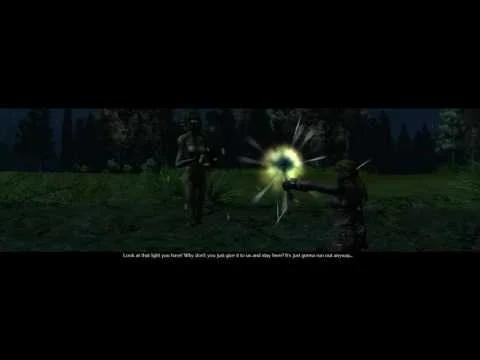
This untitled project — affectionately referred to as my “Fairy Tale Game” — was one of the earliest narrative-driven games I ever created. Developed in 2015 using the Neverwinter Nights Aurora Toolset, it marked my first attempt at blending interactive storytelling, worldbuilding, and gameplay logic inside a 3D environment.
The project remains unfinished and unpolished, but it carries deep personal meaning. It represents the moment I began to merge my background in creative writing with my growing love for game development. Prior to entering game design, I completed an English Writing Bachelor’s degree, where I took several courses in fiction, creative writing, and — most influentially — Childhood Literature, with an academic focus on Grimm’s Fairy Tales. These stories, often moralistic, eerie, and symbolic, were designed to teach children lessons through myth and metaphor.
That academic background directly inspired the tone of this project: a fairy-tale world with mythic structure, moral stakes, and a darkness hiding beneath the surface.
Project Overview
The Fairy Tale Game draws influence from Little Red Riding Hood and traditional European folklore, but expands them into an original mythos governed by two divine siblings:
Solei — Bringer of Morning, life, and warmth
Lumos — Keeper of Night, whose envy twists into betrayal
Their fractured relationship plunges the world into imbalance, creating a narrative steeped in themes common to Grimm stories: light versus dark, innocence versus corruption, and sacrifice for the greater good.
Using the Aurora Toolset, I:
Built and decorated explorable areas
Scripted basic quests and triggers
Wrote branching dialogue, lore entries, and mythic worldbuilding
Designed a multi-layered narrative inspired by childhood literature and moral storytelling
It was my first time designing quests and scenes in a traditional RPG toolset, and it taught me the fundamentals of narrative pacing, player motivation, and environmental storytelling.
Tools Used
Neverwinter Nights Aurora Toolset
Photoshop (early concepts & visual references)
Google Docs (narrative outlines & script drafts)
What I Worked On
Narrative Design
Drew directly from my academic study of Grimm’s Fairy Tales and moral storytelling
Wrote all myths, characters, lore entries, and environmental narrative assets
Designed branching dialogue and emotional narrative beats
Established themes of corruption, protection, childhood innocence, and sacrifice
Scripting & Toolset Learning
Implemented early-stage scripts for triggers, dialogue starts, and simple combat behaviors
Learned technical storytelling fundamentals through hands-on experimentation
Level & Quest Design
Built custom areas using the Aurora Toolset
Placed NPCs, enemies, props, and scripted encounters
Prototyped quests and interactive sequences
Explored how environment layout influences story pacing
What I Learned
This project taught me:
How literary theory and fairy-tale structure translate into interactive storytelling
Early fundamentals of RPG quest scripting and environmental design
How atmosphere and worldbuilding create emotional tone
How to craft mythic storytelling with symbolic characters and moral stakes
How to guide a player narratively through world layout and quest design
Most importantly, it revealed how deeply my writing background could shape my games.
Personal Reflection
The Fairy Tale Game remains one of my most sentimental milestones. Before I ever coded complex systems, built VR experiences, or designed professional products, I was simply a writer who loved stories — especially the dark, symbolic ones tucked inside childhood literature.
My coursework in creative writing and Childhood Literature gave me a language for myth making, for understanding why fairy tales resonated so deeply, and for crafting narratives that teach something through metaphor. Bringing those lessons into a game engine for the first time felt magical.
I remember experimenting late at night, building forests full of moody lighting, writing lore entries, and feeling amazed watching my ideas come alive in playable form. I had no idea what I was doing technically — but I knew exactly what I wanted emotionally.
Even in its incomplete state, the Fairy Tale Game represents the bridge between my past as a writer and my future as a designer. It’s a reminder of where my storytelling voice began, and one I’ll always cherish.