Narrative Prototype: Exploring Player Empathy (2016)
A Twine experiment contributing to the foundation of my thesis project, Brave the Lonely
Summary
This narrative prototype is a Twine-based interactive fiction piece created in 2016 as part of the early development for my thesis project, Brave the Lonely. The goal of this prototype wasn’t to build a full story—it was to explore player empathy and test how players respond emotionally when a game character directly challenges their decisions.
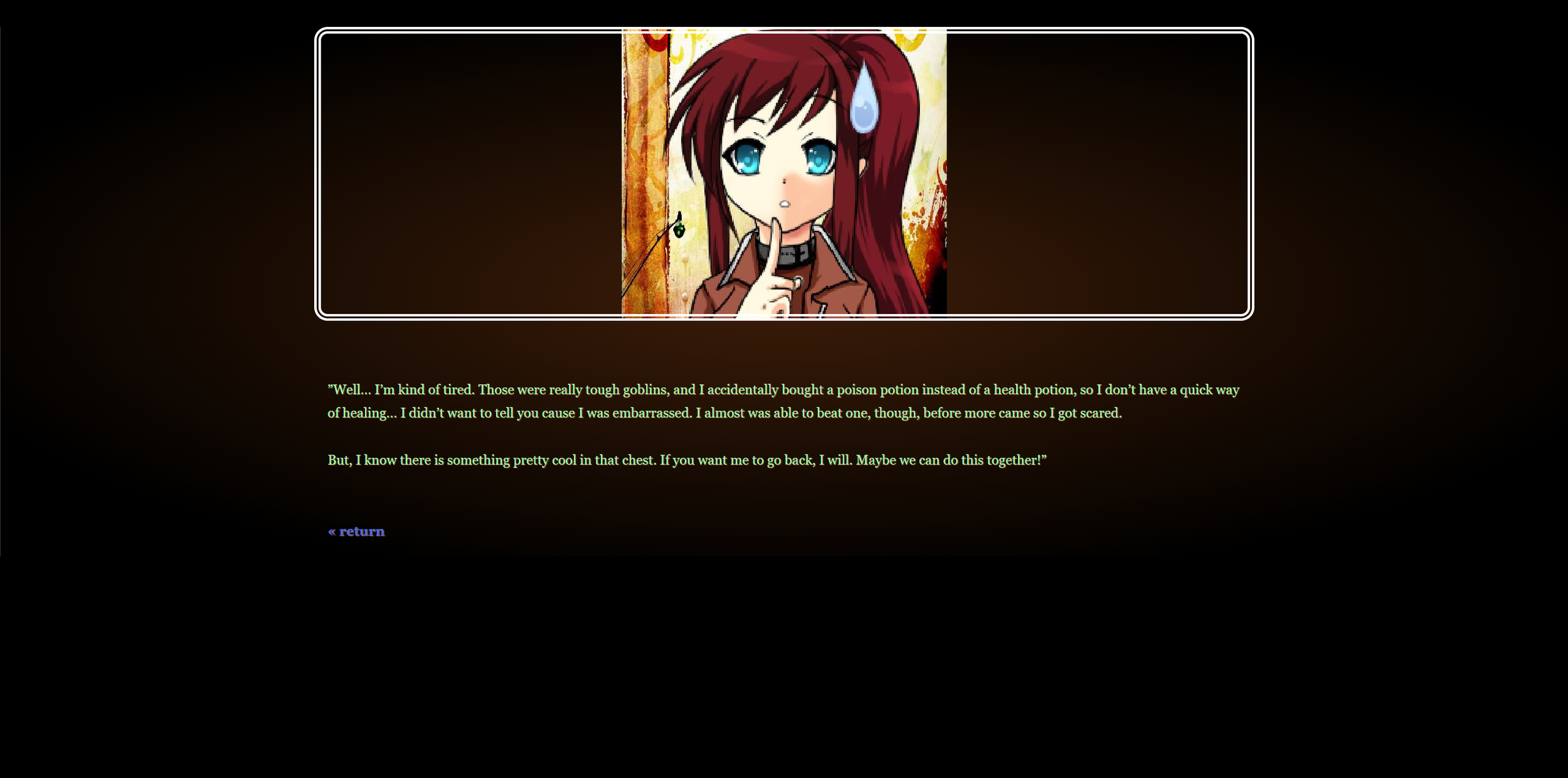
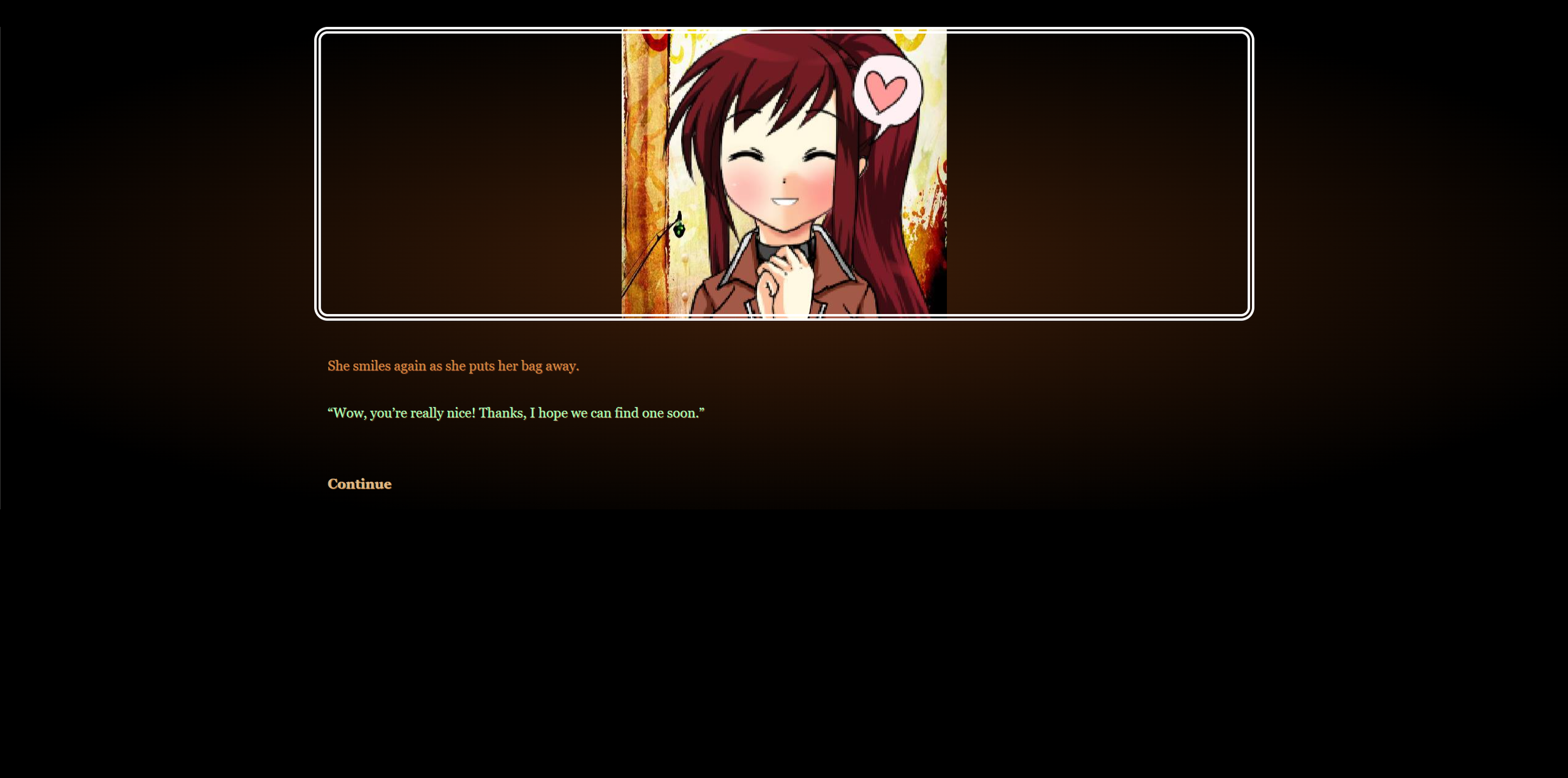
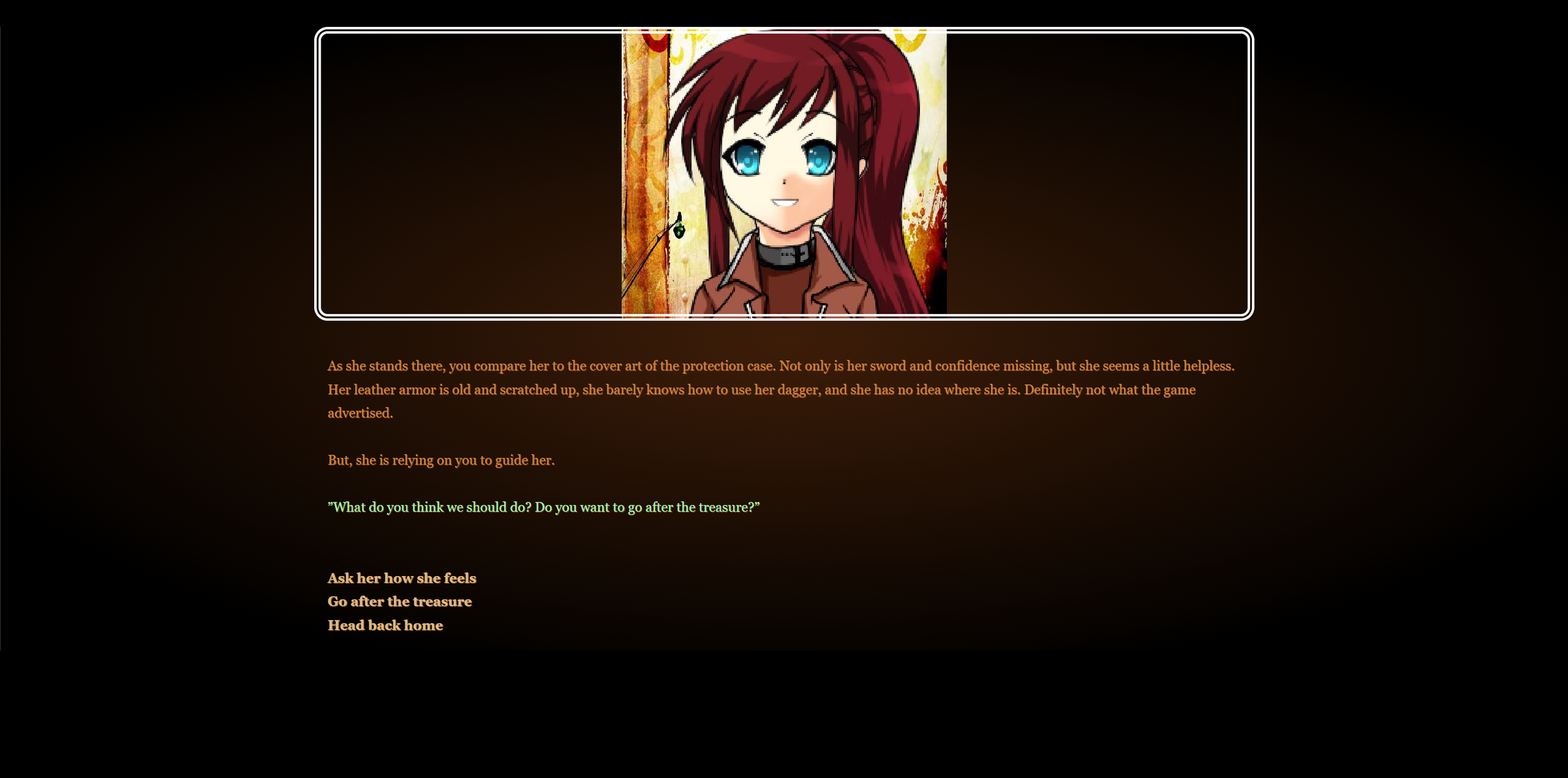
Instead of following traditional RPG structures where characters obey the player without question, this prototype centers on Kyla, a young adventurer who speaks directly to the player. She asks questions, expresses doubt, reacts to pain, and challenges the morality of the player's choices. By breaking the expectation that game characters are passive vessels, the prototype examines how deeply players can connect with someone who feels more “real.”
The narrative is intentionally simple, allowing Kyla’s reactions, vulnerability, and agency to become the emotional core of the experience.
Project Overview
I approached this prototype with a single guiding question:
What happens when the player’s choices have emotional consequences for a character who openly expresses fear, pain, and hope?
To explore this, the prototype intentionally:
Disrupted player expectations by having Kyla question the player's commands
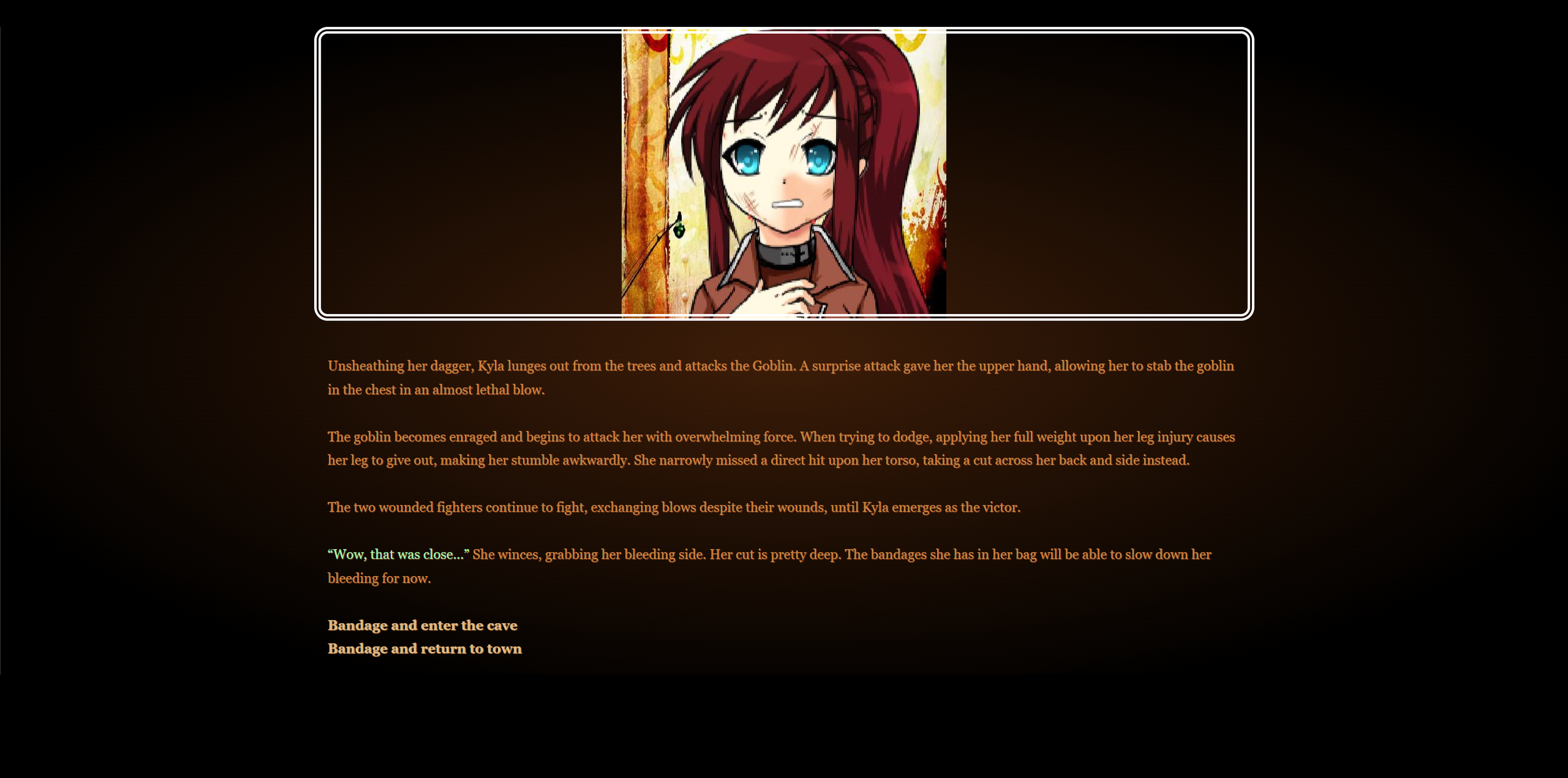
Used vulnerability as a mechanic, making her injuries visible and meaningful
Tested moral conflict, especially between safety and greed
Encouraged reflection, prompting players to reconsider the impact of their actions
Focused on character-player interaction, rather than worldbuilding or plot
Every design decision centered on understanding how to foster emotional investment through choice.
Tools Used
Twine
Microsoft Word
What I Worked On
Designed and wrote the full interactive narrative structure
Created choice-driven systems focused on empathy triggers
Scripted player pathways and consequence branches using Twine logic
Implemented simple combat and injury scenarios to test emotional stress points
Conducted playtesting sessions and recorded choice patterns
Analyzed participant behavior for inclusion in my thesis
Developed early themes and mechanics that would later evolve into Brave the Lonely
Conclusions & Findings
Playtesting revealed a fascinating split in player behavior:
Most Players (Over 80%) Displayed Strong Empathy
Many immediately sent Kyla home, unwilling to put her at risk.
Others explored the forest only because they believed in her, not out of selfish intent.
Once Kyla was injured, nearly all of these players sent her home right away, often expressing guilt or protectiveness.
Players described her dialogue and vulnerability as making her feel “real” and “human.”
A Small Group Prioritized Treasure Over Kyla
A minority showed no emotional concern for Kyla’s wellbeing.
These players chose loot-driven or curiosity-driven paths, even when she was hurt.
They reported little remorse when she died, seeing the scenario as a game-system puzzle rather than a moral one.
This divergence was at the heart of my experiment. It showed how player values—not just narrative—shape emotional engagement. These insights became a cornerstone of Brave the Lonely’s design, helping refine how I approached character agency and emotional stakes in the final thesis project.
Personal Reflection
This was one of the most transformative pieces I created during college. It was the first time I shifted from simply writing stories to engineering player emotion. I learned how subtle phrasing, branching logic, and character presentation could completely alter the way a player feels about the experience.
It pushed me to think deeply about narrative design—how to turn empathy into a mechanic, how to encourage players to care, and how to use choice not just as a gameplay tool but as a storytelling instrument.
This experiment ultimately shaped the narrative philosophy behind Brave the Lonely and laid the groundwork for how I think about character agency today.