Zarvot
Level Design · Visual Composition · Switch Dev Kit Development
Summary
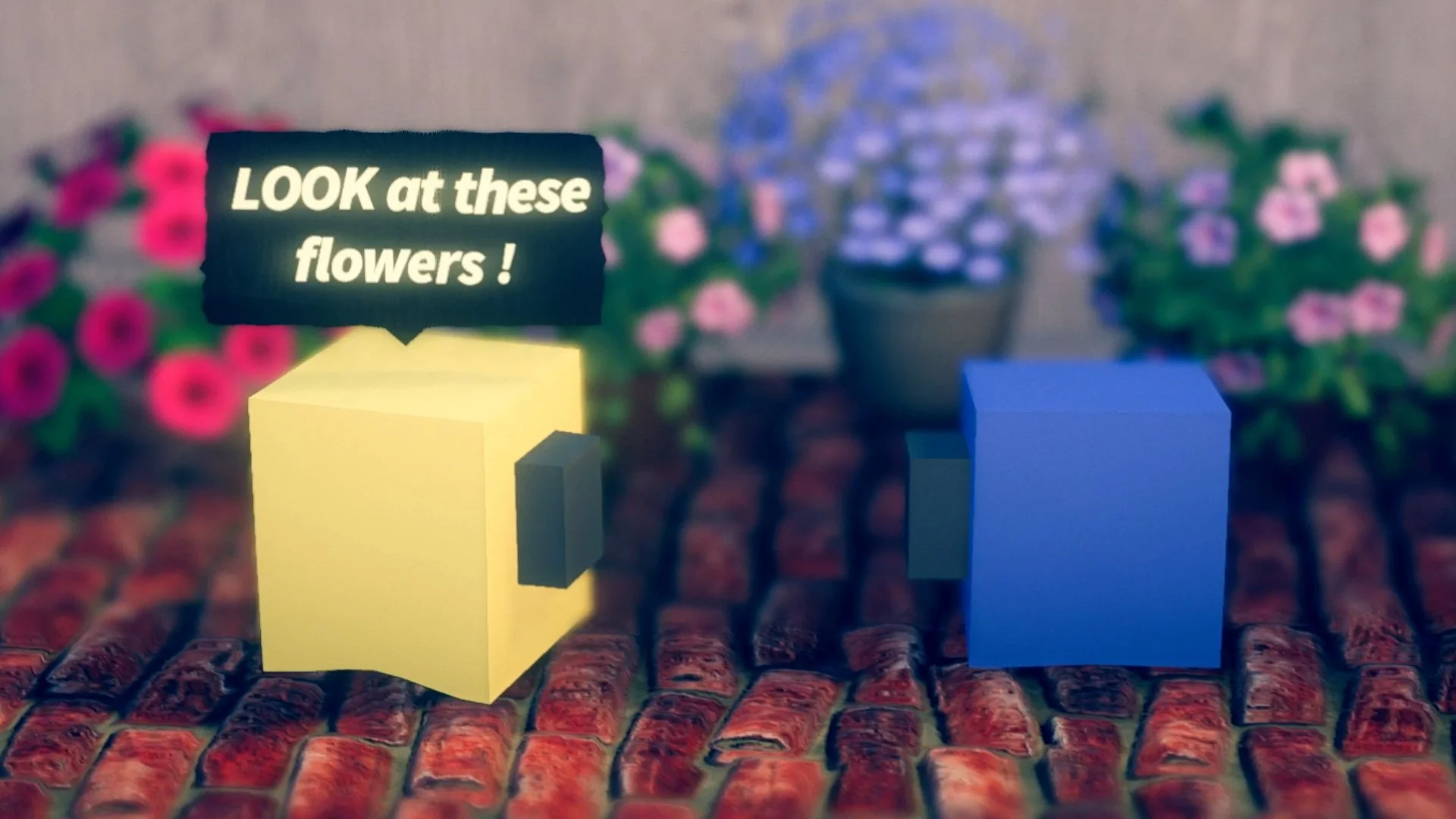
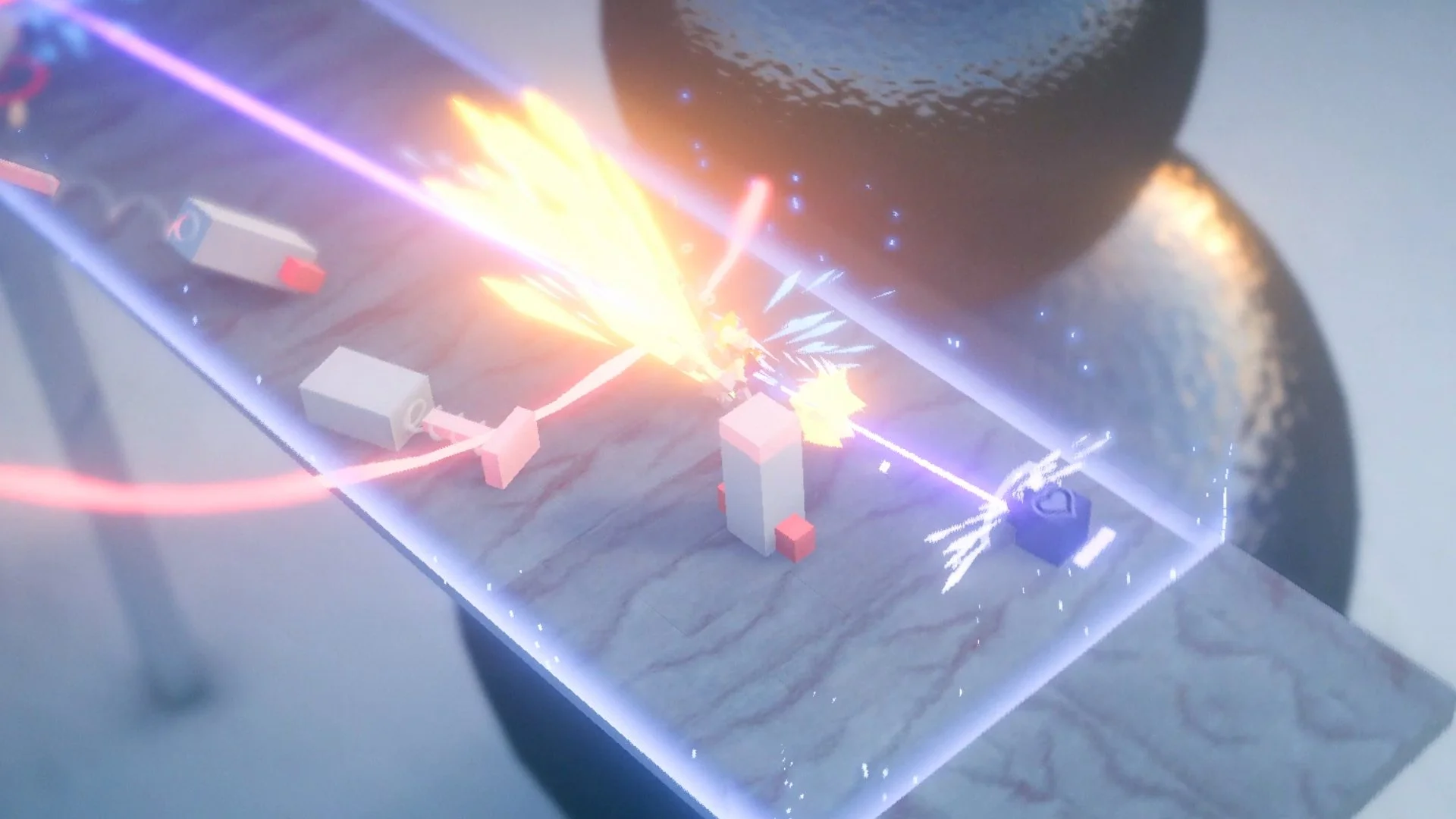
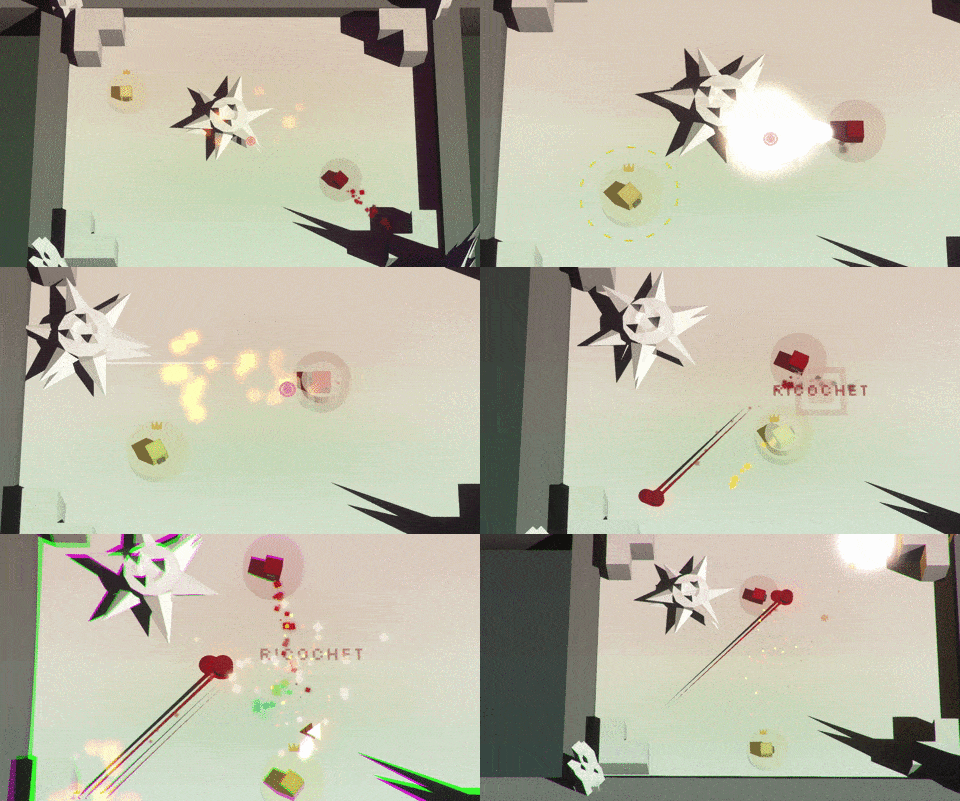
Zarvot is a stylish, fast-paced action shooter developed by indie creator Sam Eng (Snowhydra) and published on the Nintendo Switch. I joined during the final stretch of development, contributing single-player level design, arena aesthetics, destructible environment tuning, and Switch dev kit testing.
My work focused on shaping the game’s expressive visual feel, supporting new enemy types, refining combat pacing, and optimizing gameplay clarity under Switch hardware constraints. This project was my first hands-on experience with console development and helped shape my approach to readable, satisfying encounter design.
Main Website (SnowHydra) • Nintendo Store • Steam • MobyGames (Credits)
Project Overview
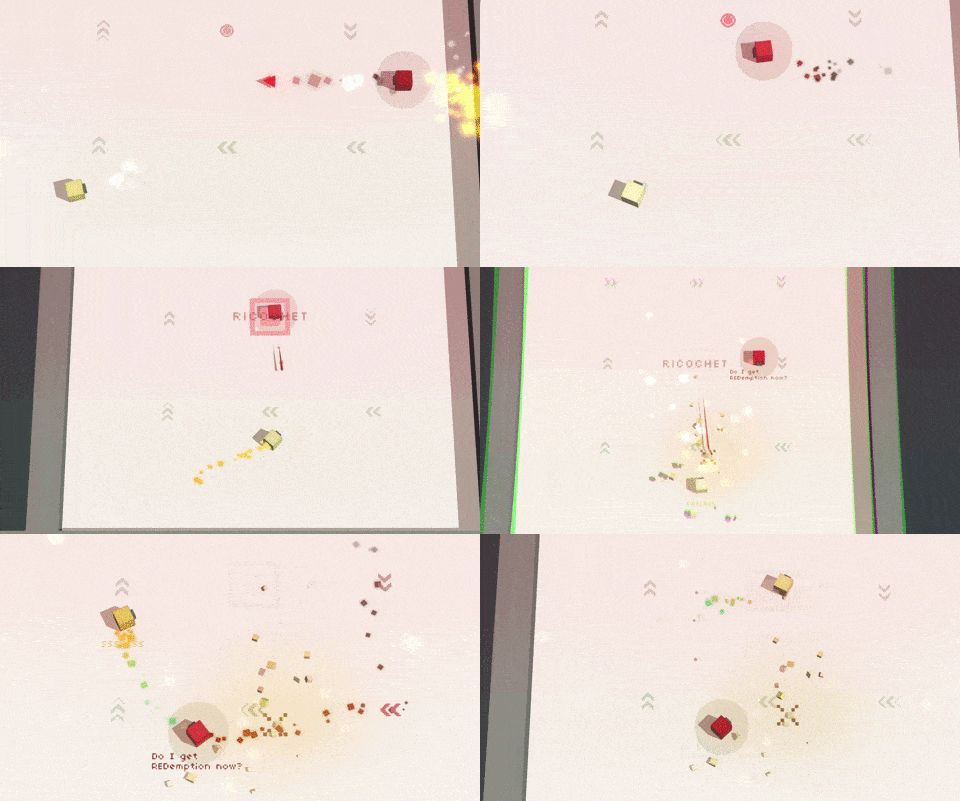
For the Switch release, Zarvot expanded beyond multiplayer to include a full single-player story campaign. My contributions centered on creating expressive, tightly paced combat arenas that delivered:
Smooth movement flow
Clear readability
Strong combat beats
Satisfying visual feedback
I worked closely with Sam Eng, who created new mechanics and enemy types. He would develop code features, and I would:
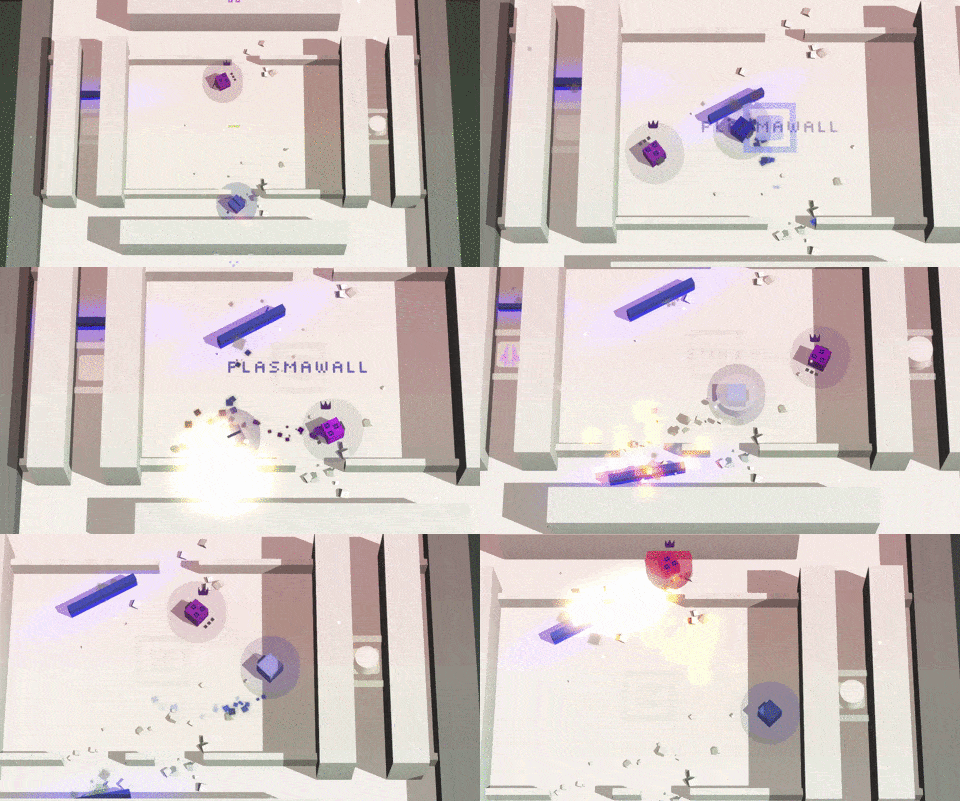
Place, tune, and integrate them into new arenas
Adjust pacing based on how they felt moment-to-moment
Iterate on layouts to support single-player clarity
Provide feedback to refine new mechanics further
This ensured every encounter felt expressive and aligned with Zarvot’s personality.
Tools Used
Unity (C#) – level scripting, encounter assembly, visual composition
Nintendo Switch Dev Kit – performance testing, framerate validation
Photoshop – minor asset polish and lighting adjustments
Slack – collaboration with Sam Eng
What I Worked On
Single-Player Level Design
Zarvot originally focused on multiplayer, but for the Switch release, the game expanded with a single-player story campaign. My work centered on creating arenas that delivered:
Smooth movement flow
Clear readability
Strong combat beats
Satisfying visual feedback
I worked closely with Sam Eng, who created new mechanics and enemy types. He would develop or code features, and I would:
Place, tune, and integrate them into new arenas
Adjust pacing based on how they felt moment-to-moment
Iterate on layouts to support single-player combat clarity
Provide feedback to refine new mechanics further
This ensured every encounter felt expressive and aligned with Zarvot’s personality.
Level Aesthetics & Visual Composition
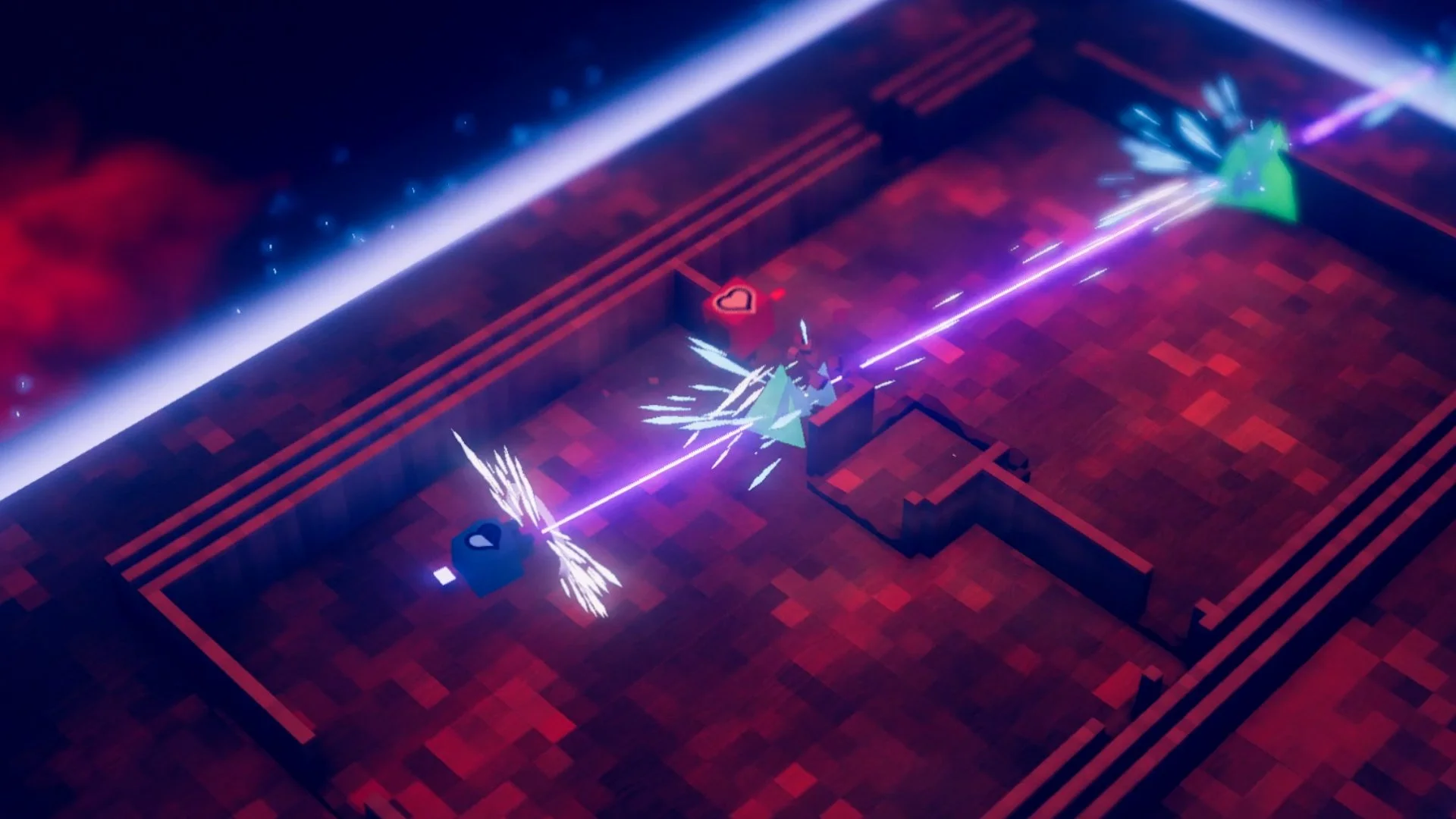
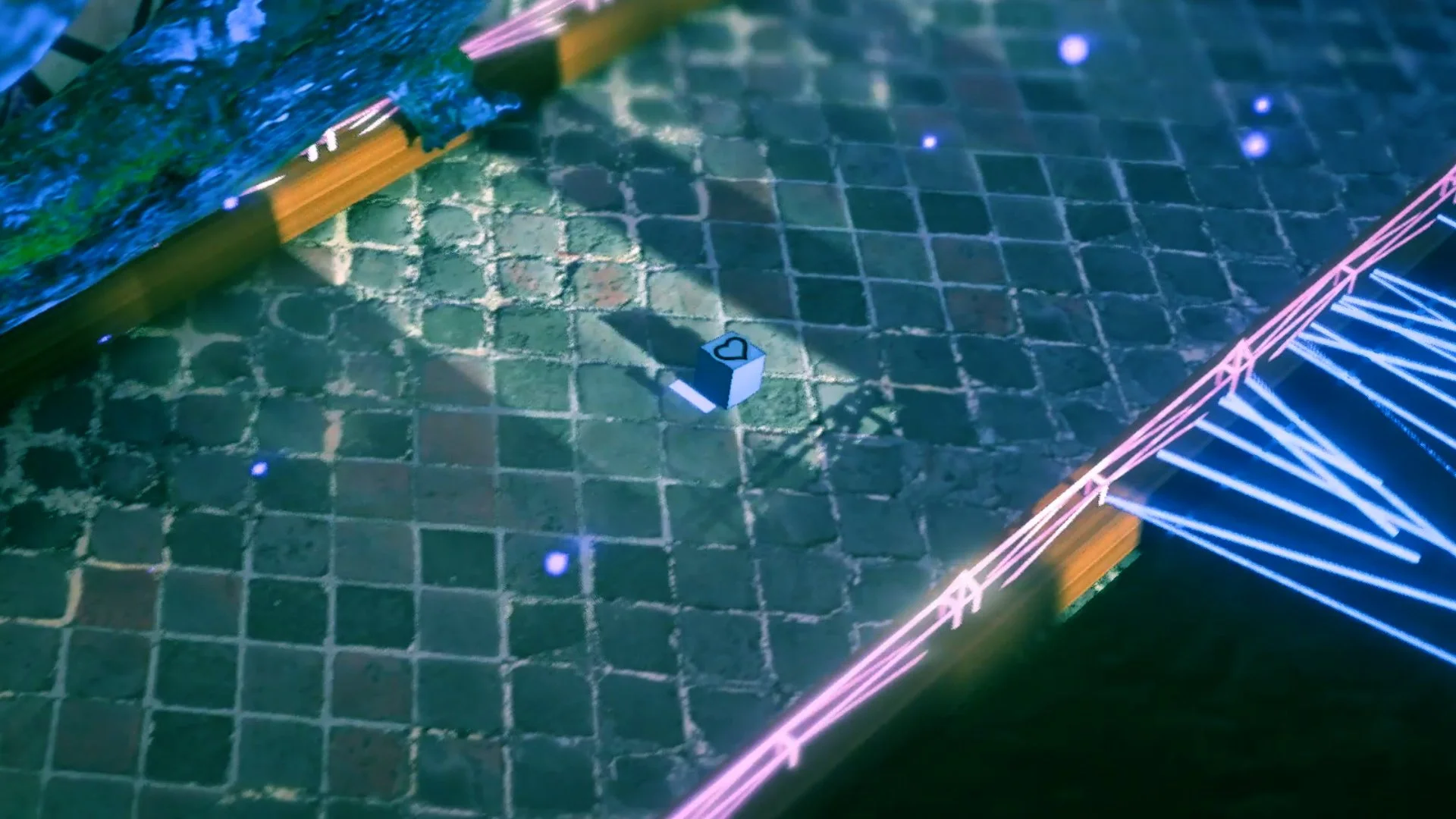
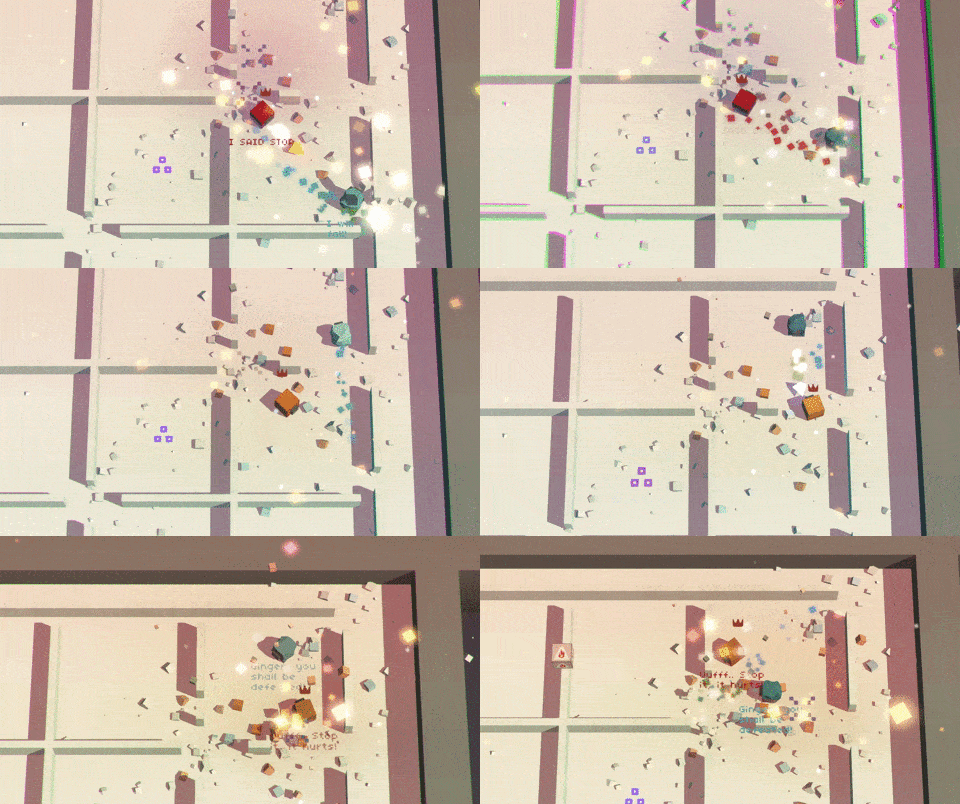
In addition to mechanical design, I shaped the visual look and clarity of several arenas. Zarvot’s minimalist, expressive art style required attention to both beauty and function.
My aesthetic contributions included:
Designing levels that were pretty, readable, and coherent
Composing scenes using shape language and lighting
Balancing arena detail with fast-paced gameplay clarity
Maintaining style consistency while optimizing for hardware
This helped each arena feel unique, inviting, and visually satisfying to destroy.
Console Development (Nintendo Switch)
This project gave me hands-on experience with console development and optimization.
My responsibilities included:
Testing arenas directly on Nintendo Switch dev hardware
Identifying memory, frame-rate, and performance issues
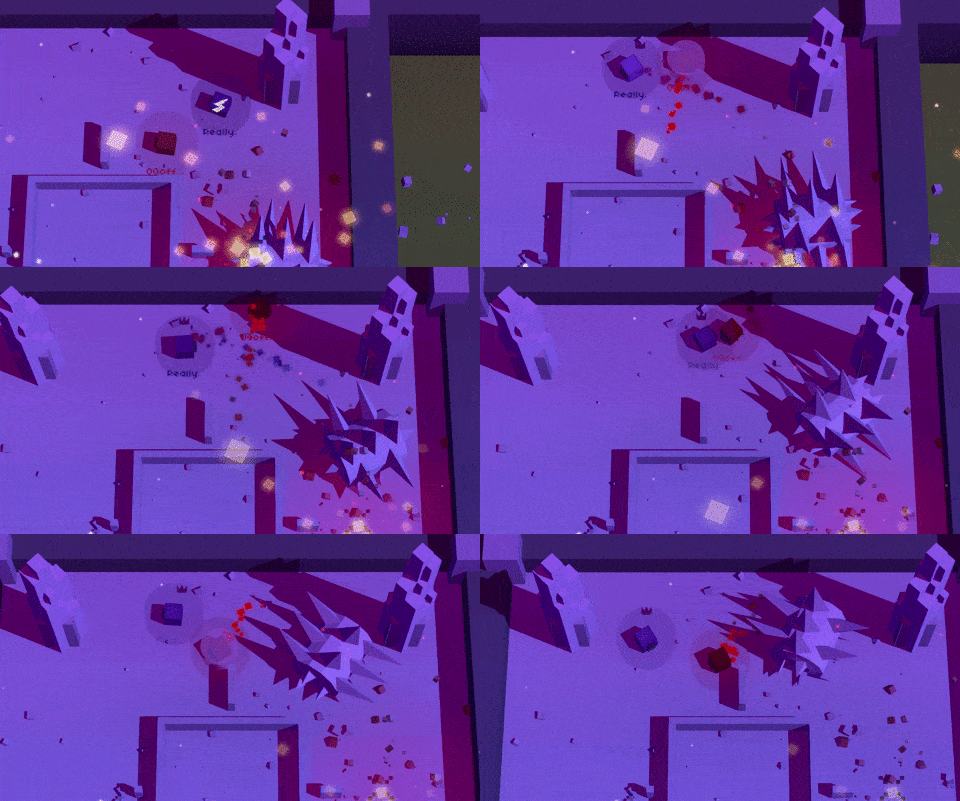
Adjusting layouts, visuals, and destruction loads to improve stability
Collaborating with Sam to optimize assets
Refining pacing based on how fights felt on the actual device
Running iterative playtests together on Switch dev kits to validate clarity, feedback, and performance
This taught me the importance of designing with hardware limitations in mind and adapting quickly based on technical findings.
Collaboration with Sam Eng (Creator, Lead Developer)
A major part of my contribution involved close, iterative collaboration with Sam Eng, who created and coded the core game.
Our workflow included:
Discussing new enemy types, hazards, and features
Sam developing mechanics and passing assets to me
Me placing, tuning, and polishing these elements within arenas
Iterating on combat pacing and difficulty
Testing new levels together on a Switch dev kit
Refining visuals and destruction based on shared playtest results
This collaborative loop allowed us to keep each level expressive, satisfying, and technically sound.
What I Learned
Hardware-Conscious Design
How to build arenas that feel great while respecting memory and CPU budgets
Techniques for reducing visual noise without losing aesthetic charm
How destructible environments impact performance and readability
Collaborating on a Solo-Developed Game
How to quickly adapt to engine constraints
Communicating iterations through gifs, clips, and dev-kit captures
Supporting a strong creative vision through readable design
Encounter Pacing & Combat Flow
Balancing enemy timings, projectile behavior, and spatial rhythm
Ensuring readability even in chaotic, VFX-heavy scenes
Iterating based on real hardware feedback rather than PC assumptions
Shipping for a Console Platform
The mindset needed to deliver stable, polished content
How to test and refine gameplay under strict performance constraints
The importance of frictionless communication between design and engineering
Personal Reflection
Zarvot was a deeply formative project for me. It was my first time contributing directly to a Nintendo Switch title, and also my first experience working one-on-one with a lead developer on a professional project. That setup shaped me enormously as a designer.
One of the things I appreciated most was how clean, organized, and thoughtfully structured Sam Eng’s Unity project and codebase were. His setups were intuitive and well-architected, which made joining the project feel smooth and empowering. It allowed me to quickly understand the systems at play and confidently contribute new ideas, mechanics, and level designs.
What stood out even more was how collaborative, open, and genuinely supportive Sam was. Despite Zarvot being a long-running passion project of his, he welcomed me fully into its creative process. He encouraged experimentation, valued my perspective, and gave me the space to express my design instincts. That trust helped me grow tremendously — not just in technical skill, but in creative confidence.
After I left the project, Zarvot underwent some vision and scope changes, and not all of the levels I created made it into the final release. However, the work I contributed still played a meaningful role in shaping the direction the game eventually took. Many of my ideas, layouts, and experiments helped influence the final tone and pacing of the single-player content, and I’m proud of the imprint my work left on the project.
The experience taught me the value of collaboration, flexibility, and shared ownership, and it remains one of my favorite early milestones in my career.